
Process Server Colchester
All enquiries handled in complete confidence.
Your Trusted Colchester Process Servers
Process Serving in the Colchester area for over 40 years

Trusted Process Servers in Colchester
- Fast, CPR-compliant process serving across Colchester
- Documents served: statutory demands, injunctions, divorce petitions, witness summons
- Handled with precision, discretion, and full legal compliance
- Up to three delivery attempts included
- Proof of service supplied for your records
Call our Colchester Process Serving Office today on 01206 673002 or email us at process@bluemooninvestigations.co.uk
CPR-Compliant Service
Our experienced process servers deliver documents strictly in line with Civil Procedure Rules. From court papers to statutory demands, we ensure every instruction is handled with precision and legal accuracy.
Nationwide Coverage
With trusted process servers across the UK, we handle instructions quickly and efficiently, wherever service is required. Local knowledge combined with national reach ensures timely delivery in any jurisdiction.
Confidential & Discreet
We handle every instruction with complete confidentiality and discretion. Sensitive information is protected, and all cases are managed with the highest professional standards.
Timely & Reliable
Deadlines matter in legal proceedings. Our team is committed to prompt service, with attempts made within agreed timescales and full proof provided, giving you confidence your case stays on track.
Select the process serving option that best meets your case requirements — each delivered with full legal compliance and professional care.
Fixed-Fee, CPR-Compliant Service
Basic Process Serve
Fixed Fee – No Hidden Costs
One Service Attempt Included
Ideal for Non-Urgent Matters
First Attempt Within 7 Days
CPR-Compliant Procedure
Proof of Service Provided
Printing Up to 25 Pages Included
Prices from £110
Fixed-Fee Service with Full Updates
Standard Process Serve
Fixed Fee – No Hidden Costs
Up to 3 Service Attempts Included
First Attempt Made Within 24–48 Hours
CPR-Compliant Procedure
Proof of Service Provided
Live Updates After Every Attempt
Printing Up to 50 Pages Included
Prices from £165
Fixed-Fee Urgent Service – First Attempt Within 24 Hours
Priority Process Serve
Fixed Fee – Clear and Upfront Pricing
Prompt Allocation to Nearest Server
First Attempt Made Within Hours
CPR-Compliant Procedure
Proof of Service Provided
Live Updates After Every Attempt
Printing Included Up to 50 Pages
Prices from £195
What is Process Serving in Colchester?
Process serving in Colchester is the formal delivery of legal documents, carried out in line with the Civil Procedure Rules (CPR). Our experienced Colchester process servers act for solicitors, businesses, private clients, and the courts, ensuring documents are served correctly and proof of service is provided. Where recipients are evasive, we use tracing methods or apply for substituted service to complete delivery in full compliance with the rules.
How Our Colchester Process Serving Works
Standard Procedure
- Receipt & Confirmation – As soon as we receive your documents, we email you confirmation of safe receipt.
- Case Management – All details are securely logged in our client management system, with digital copies created where needed.
- Assignment – Your instruction is allocated to our nearest available Colchester process server for speed and efficiency.
- First Attempt – We aim to carry out the first visit within 24 hours, if using our Standard Service.
- Multiple Visits – If service cannot be completed immediately, up to three attempts are made at varied times of day.
- Client Updates – You receive real-time progress reports throughout the process.
- Further Instructions – Any issues are referred back to you promptly for guidance.
- No Unauthorised Costs – We never incur additional expenses without your prior consent.
What Happens Next
- Successful Service – Once good service is achieved, we prepare all required paperwork (including swearing, if necessary). Hard copies can be posted, or digital copies supplied for speed.
- Unsuccessful Attempts – If service cannot be achieved, our process server prepares a detailed witness statement with supporting evidence of attempts, assisting any application for substituted service.
Our Quality Assurance for Process Serving in Colchester
At Bluemoon Investigations, we are committed to providing a reliable, transparent, and CPR-compliant process serving service across Colchester.
Our Promises:
- Full CPR Compliance – every serve is carried out in line with Civil Procedure Rules.
- Prompt Action – first attempts made quickly, with most serves completed within 48 hours.
- Fixed Fees – clear, upfront pricing with no hidden costs.
- Proof of Service – digital certificates supplied, hard copies available on request.
- Real-Time Updates – progress reports after every attempt.
- Priority Service Available – urgent instructions actioned within hours where required.
Ajay Singh
“Bluemoon served urgent legal documents on our behalf quickly and discreetly. Their updates throughout the process gave us complete confidence.”
Samuel Ogindae
“We needed a statutory demand served on short notice. Jason handled it professionally, with sworn proof of service provided without delay.”
James Askwith
“Our firm uses Bluemoon regularly for process serving. They are reliable, compliant with the rules, and always deliver affidavits on time.”
Prefer to Speak to Someone First?
No forms, no waiting — just straightforward help from an experienced Colchester process server. Call our Colchester office on 01206 673002 or email process@bluemooninvestigations.co.uk and we’ll respond promptly to guide you through your next steps.
Process Serving in Colchester, but with Compassion
The role of a process server in Colchester often involves delivering difficult news—something people may not want to receive. We understand that serving legal documents can sometimes provoke strong emotions and, in rare cases, even lead to confrontation.
Our approach is always to serve with professionalism and compassion. At the same time, every one of our agents is trained to recognise when a firmer stance is needed to ensure the papers are served correctly and without delay.
With extensive experience and specialist training, our Colchester process servers are equipped to handle all situations calmly and effectively, ensuring the task is completed with dignity, discretion, and professionalism.
Morris McNulty
“An evasive respondent made service difficult, but Bluemoon’s persistence and detailed witness statement supported our application for substituted service.”
Susanne Leftwich
“The process server kept us informed at every stage and ensured the papers were served within the required timescales. Excellent service.”
Greta Arben
“Bluemoon’s process serving is thorough and efficient. Three visits were made as standard, and the final proof was court-ready.”
Local Process Serving Offices in Colchester
- Process Server Colchester Town Centre – including High Street, Head Street, Culver Square, and St John’s Street.
- Process Server Lexden & Stanway – covering residential and commercial districts along the A12 corridor.
- Process Server Wivenhoe & University Area – including the University of Essex campus, Wivenhoe Park, and surrounding communities.
- Process Server Braiswick & Mile End – serving northern suburbs, business parks, and local transport hubs.
- Process Server Layer & Abberton – covering rural and lakeside areas south of Colchester.
- Process Server Dedham Vale & Constable Country – discreet investigations in the countryside between Colchester and Manningtree.
- Process Server Greater Colchester – extending services to nearby towns such as Chelmsford, Witham, Braintree, and Clacton-on-Sea.
Useful Resources for Process Serving in Colchester
Understanding the legal and compliance framework around process serving is essential. These trusted resources provide guidance and context:
- UK Government – Civil Procedure Rules (Part 6: Service of Documents)
- HM Courts & Tribunals Service
- Citizens Advice – Legal System Overview
- Law Society – Find a Solicitor
- GOV.UK – Court and Tribunal Forms (including N215 Statement of Service)
Regional Process Serving Hubs
Process Server Birmingham ·
Process Server Manchester ·
Process Server Nottingham ·
Process Server Leeds ·
Process Server Liverpool
Other Services in Colchester
In addition to professional process serving, Bluemoon Investigations provides a full range of investigative services across Greater Colchester.
- Private Investigation Services in Colchester
- People Tracing in Colchester
- Surveillance Services
- Background Checks
Wherever you are based in Colchester or the surrounding towns, our team delivers fast, discreet, and compliant investigative solutions.
Process Server Colchester – Fast, Discreet, and Compliant Legal Document Delivery Service
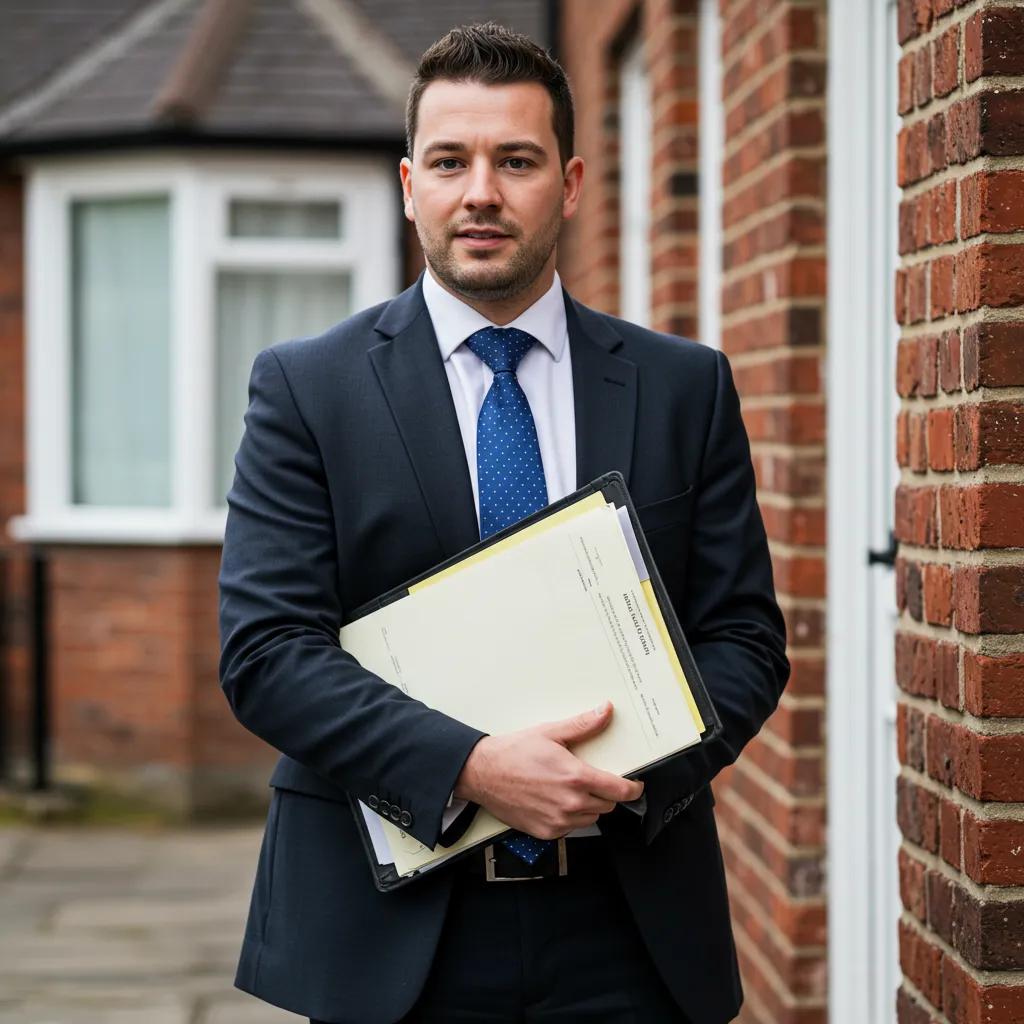
Process serving in Colchester is the professional delivery of legal documents to named recipients with the aim of creating verifiable, court-ready proof of service. This guide explains how local process serving works, what types of papers can be served, typical timescales for urgent and standard work, and the evidence formats acceptable to courts and tribunals. Readers will learn practical steps from instruction to affidavit, the fixed-fee structure commonly used in Colchester, and which CO postcodes and nearby Essex towns are covered. The article addresses common concerns—such as evasion, sensitive orders and weekend availability—and shows how properly documented service supports civil procedure requirements. Throughout, search terms like process server Colchester, process serving Colchester and court-ready proof of service Colchester are used naturally to help solicitors, businesses and private clients find the information they need.
Why Choose Bluemoon Investigations as Your Process Server in Colchester?
A professional process server ensures legal documents are served lawfully, discreetly and with evidence that stands up in court; Bluemoon Investigations combines investigative capability with process-serving discipline to deliver that outcome. Reliable service works because trained operatives plan attendance times, use local knowledge to maximise first-attempt success, and compile contemporaneous, timestamped records that map cleanly to Civil Procedure Rules expectations. Clients benefit from transparent pricing and the option to instruct urgent attendances, reducing delay to court timetables and preserving rights to proceed. The following list outlines core value propositions readers should expect when engaging a specialist process server in Colchester.
Bluemoon Investigations emphasises compliance and confidentiality in every instruction, integrating data-protection measures and careful evidence handling to protect client interests. The firm’s operational model supports solicitors and claimants requiring court-ready statements, and it offers nationwide coverage while applying local Colchester knowledge to improve success rates and reduce repeat attempts. The next section details the specific local experience and geographic familiarity our teams use to plan effective service attempts.
What Local Knowledge and Experience Do We Bring to Colchester?
Local knowledge reduces failed attempts by aligning attendance times with local routines, recognising residential access constraints and anticipating busy commercial hours in key CO postcodes. Operators familiar with Colchester can target likely addresses quickly, identify multi-occupancy properties and understand court locations and parking realities, which shortens turnaround times for filings and hearings. This familiarity is particularly valuable for urgent instructions where same-day or next-day attendance is needed. Using local insight plus investigative follow-up increases the probability of successful service without unnecessary escalations.
Local experience also informs safety planning and appropriate protocols for sensitive papers, ensuring that high-risk or protected orders are handled with extra caution. That situational awareness directly reduces the administrative burden on instructing solicitors by minimising repeat attempts and delivering clearer, court-ready evidence. Understanding local nuances naturally leads into how evidence is captured and preserved to meet legal standards.
How Do We Ensure Reliable, Confidential, and Court-Ready Service?
Reliable, court-ready service depends on disciplined evidence capture and secure case management that preserves a clear chain of custody for documents and media. Operatives produce signed statements or affidavits (where required), photographic and timestamped records, attendance logs and a certificate of service summarising attempts and outcomes. Data protection is observed in line with GDPR and the Data Protection Act 2018, with sensitive information handled on a need-to-know basis and stored securely to maintain confidentiality during dispute resolution.
Confidentiality protocols include discreet attendance practices and minimal disclosure of client details during fieldwork unless legally required. Robust reporting processes ensure that the evidence package supplied to clients and counsel aligns with court expectations, and these practices help prevent procedural challenges to service. The next H2 explains which legal documents are commonly served and how specialised papers are treated.
What Types of Legal Documents Can Be Served in Colchester?
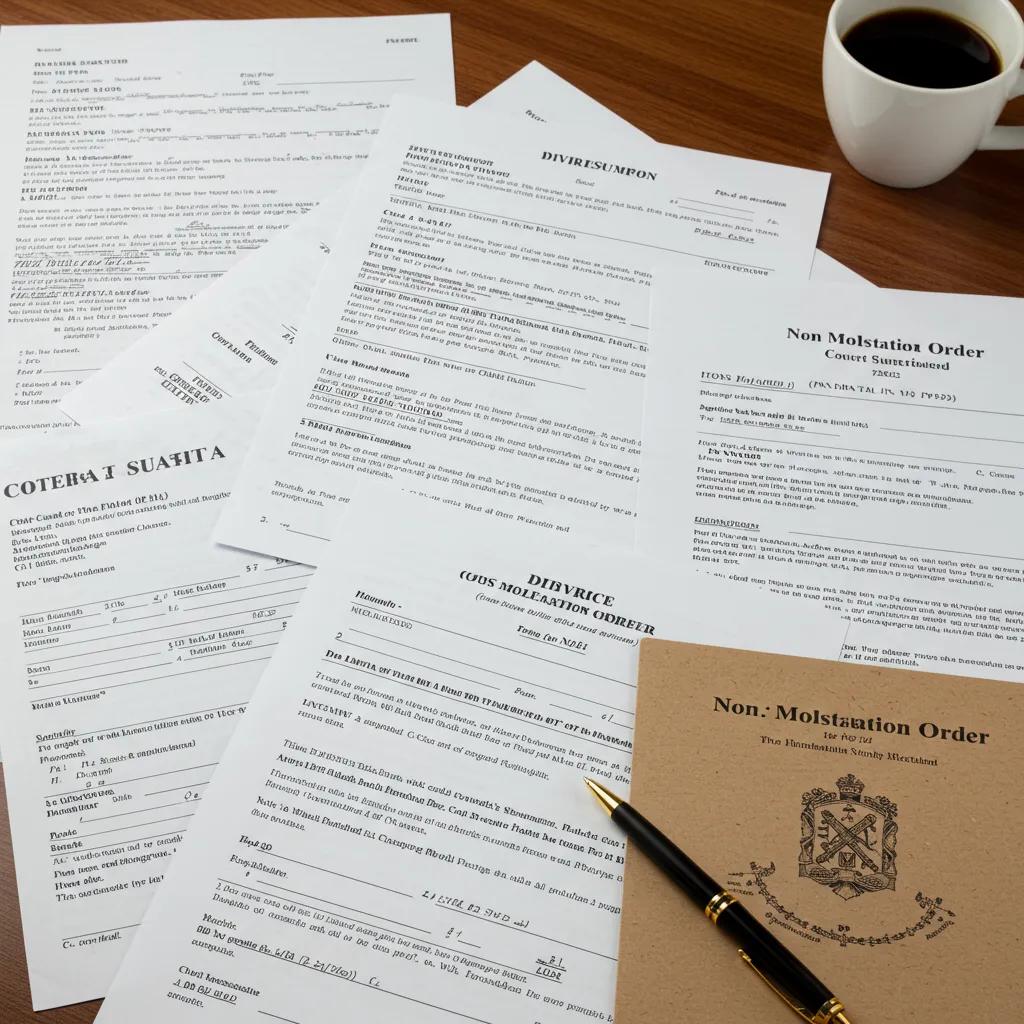
Process servers accept a wide range of legal documents and tailor handling to the document’s urgency and sensitivity. Common civil and family papers have different priorities: claims and summonses require rapid proof to maintain court timetables, while orders such as non-molestation injunctions may demand special safety measures. Below is a concise comparison of typical document types and notes on priority or special handling.
| Document Type | Typical Use / Notes | Urgency / Handling |
|---|---|---|
| Divorce papers | Initiating family proceedings; standard service protocols | Standard priority; can be urgent on instruction |
| Court summons / Claim form | Commences civil claims; requires proof for timelines | High priority to avoid procedural lapses |
| Statutory demand | Debt enforcement; preserves insolvency timelines | Time-sensitive; often requires trace work if evasion suspected |
| Non-molestation order | Family protection order with safety implications | Sensitive handling; may require liaison with solicitors |
| Witness summons | Compels attendance for hearings | Often scheduled around hearing dates; strict timing |
This table demonstrates how different document types drive variations in approach, and why instructing parties should flag special requirements at the outset. The next H3 lists common documents served locally and practical examples of when each is used.
Which Common Legal Documents Do We Serve Locally?
Colchester process servers routinely handle divorce papers, claim forms and statutory demands, each of which carries specific court timetable consequences if delayed. For example, a claim form served late may impede a claimant’s ability to progress a matter on the intended schedule, while a statutory demand often triggers creditor actions that require prompt proof. Witness summonses and enforcement writs also appear on a regular basis and require precise timing to match hearing dates. Understanding these distinctions helps instructing parties choose urgent or standard service options appropriately.
When documents pose higher risk—such as protective orders—the server coordinates closely with instructing solicitors to manage timing, safety and evidence requirements. These practised workflows reduce uncertainty for both legal and private clients and transition naturally into how specialised papers are handled.
How Do We Handle Specialized Court Papers and Orders?
Specialised court papers such as non-molestation orders or High Court writs require bespoke protocols that prioritise client and operative safety, timing precision and detailed evidence capture. For protective orders, service may be scheduled when the recipient is most likely to be at a safe location, and the server avoids actions that might escalate risk. High Court documents can demand particular formality in delivery and reporting to satisfy court registry expectations.
Coordination with instructing solicitors is essential for specialised papers, ensuring the service approach matches legal strategy and evidential needs. Clear instructions at the outset reduce ambiguity, limit additional costs and ensure the resulting affidavit or certificate aligns with the legal filing requirements. The following section explains the procedural steps used from instruction to affidavit.
How Does the Process Serving Procedure Work in Colchester?

Process serving follows a predictable procedure that maps instruction to verifiable output; clear steps, realistic timescales and transparent reporting reduce the risk of procedural challenge. The core stages are instruction, planning, attendance attempts (commonly up to three), evidence collation and delivery of court-ready statements. Below is a numbered, featured-snippet-friendly workflow with typical time estimates to guide expectations.
- Instruction and document review: Client provides documents and any background intelligence; this typically begins the same day the instruction is received.
- Planning and allocation: A local operative is assigned and a plan for attendance times is created to maximise success on first or subsequent attempts.
- Attendance and attempts: Operatives attend addresses and make service attempts; standard packages often include up to three attempts within an agreed window.
- Evidence capture: On successful service, photographic and timestamped evidence, witness statements and an attendance log are compiled.
- Final reporting: A certificate of service or affidavit is prepared and delivered to the instructing party in a format suitable for court use.
This step-by-step mapping clarifies responsibilities at each stage and the typical outputs required by solicitors and claimants. The table below links each step to the expected documentary output to help instructing parties see how instructions translate into court-ready evidence.
| Step | Action | Output / Evidence |
|---|---|---|
| Instruction | Documents uploaded and brief provided | Instruction record and initial plan |
| Attendance attempt | Local operative performs visit(s) | Attempt log with times and observations |
| Successful service | Recipient accepts documents or is served per rules | Certificate of service, photos, time-stamps |
| Post-service reporting | Compilation and certification | Affidavit/statement prepared for court |
The mapping above demonstrates how each procedural step produces discrete, legally useful outputs, which in turn support filing and hearings. The next H3 explains how real-time updates and evidence delivery work in practice.
What Are the Key Steps from Instruction to Proof of Service?
From instruction to proof, a clear sequence reduces ambiguity and supports court filings: instruct, review, plan, attend broadly (up to three attempts), capture evidence, then certify and deliver. Typical timescales vary with urgency and location, but many standard instructions see a first attendance within 24–48 hours and a full evidence pack within 48–72 hours. For urgent matters, same-day or next-day attendance can be arranged where resources and prioritisation allow.
Clients are asked to provide all available background at instruction to speed tracing and reduce wasted attempts; clear instructions enable operatives to target likely addresses and times. This disciplined sequence prevents delays in litigation and ensures that certificates and affidavits are assembled with the documentary support courts expect. The following H3 describes how updates and evidence are communicated to instructing parties.
How Do We Provide Real-Time Updates and Court-Ready Evidence?
Effective communication means operatives send status updates during the instruction lifecycle and supply a consolidated evidence pack on completion, usually comprising a signed certificate or affidavit, timestamped photographs and an attendance log. Communication channels are agreed at instruction and may include regular case updates and direct contact with a nominated case manager. This approach ensures solicitors receive the evidence they need to progress hearings without ambiguity.
Evidence is compiled to mirror court expectations, and the final documentation is presented in a clear, certified format suitable for filing. Maintaining a secure audit trail of actions and data handling also supports compliance with data-protection obligations and strengthens the evidential value of the service record.
What Are the Fixed Fees and Pricing Options for Process Serving in Colchester?
Transparent pricing helps instructing parties budget for litigation support and choose between standard and urgent options. A common market starting price for straightforward local service is from £110, which typically covers a standard attendance window and basic evidence delivery; bespoke or complex cases may attract additional charges. Below is a short explanation of what a starting fee generally includes, followed by a table that clarifies fee components and common exclusions.
A starting fee usually covers document review, local attendance, up to three attempts within a defined period in the Colchester area and a basic certificate or affidavit with photographic timestamp evidence. Urgent or same-day instructions, tracing, out-of-area travel, safety escorting or High Court writs may incur supplements. Clients are advised to flag urgency, sensitivity or incomplete address information at instruction to ensure accurate quoting.
| Fee Component | Included / Not Included | Notes |
|---|---|---|
| Base attendance | Included (from £110) | Typically covers up to three attempts within local area |
| Evidence pack | Included | Standard affidavit/certificate with photos and timestamps |
| Urgent same-day | Not included | Available as a surcharge on request |
| Tracing / complex cases | Not included | Quoted separately if enhanced investigation required |
This table clarifies the baseline expectation for a quoted starting price and common add-ons that may be relevant. The next H3 describes explicit inclusions for the starting fee, and the following H3 explains urgent options.
What Is Included in Our Fixed Fee Starting from £110?
A fixed fee starting from £110 generally includes an initial document review, allocation to a local operative, up to three attendance attempts within the Colchester area and a standard evidence package consisting of a certificate of service and photographic/time-stamped records. These inclusions allow most routine civil and family documents to be served without unexpected costs. Clients should confirm whether their instruction involves sensitive orders, tracing or out-of-area travel, as these elements typically fall outside the base fee.
Clear scope at instruction prevents surprises and ensures the evidence provided meets filing requirements. When cases require additional resources, the instructing party is provided a bespoke quote prior to extra work commencing. The following subsection contrasts urgent and standard options.
- Core inclusions for the base fee are stated at instruction.
- Additional work is quoted before escalation.
- Clients should disclose any sensitivities or incomplete addresses up front.
Are Urgent and Standard Service Options Available?
Yes—standard service takes effect within a normal scheduling window, while urgent options prioritise same-day or next-day attendance subject to resource availability and an additional fee. Urgent instructions are routed for expedited planning, with operatives instructed to attempt service at the earliest practicable time to support court deadlines or urgent enforcement steps. The surcharge reflects priority resourcing and potential out-of-hours attendance.
Choosing between urgent and standard service depends on legal timetables and the consequences of delay; instructing parties should communicate deadlines when placing an instruction so the appropriate service level can be offered and priced transparently.
Which Areas and Postcodes Do We Cover in Colchester and Surrounding Essex?
Local coverage and postcode specificity matter for both search relevance and operational planning; process servers serving Colchester will typically cover all CO postcodes and adjacent towns in Essex, adapting travel and attendance planning to local conditions. Clear postcode coverage reduces confusion about additional travel charges and lets clients instruct with confidence. Below is a compact listing of postcode coverage and nearby towns typically served for Colchester-related matters.
What Are the Key Colchester Postcodes We Serve?
Colchester postcode coverage conventionally includes CO1, CO2, CO3, CO4, CO5, CO6, CO7, CO8, CO9, CO10, CO11, CO12, CO13, CO14, CO15 and CO16, with particular attention paid to commercial zones and residential estates that affect attendance planning. Recognising which CO areas are busier during certain times helps plan first-attempt success, such as avoiding school run or market peak periods. Clients should state the postcode clearly to ensure the instruction is allocated to the most appropriate local operative.
Knowing the exact CO postcode at instruction improves success rates and can reduce the need for tracing. This local focus mirrors the operational priorities discussed earlier and supports efficient reporting to courts.
Do We Serve Nearby Towns and Villages in Essex?
Service often extends beyond Colchester into nearby Essex towns and villages, subject to travel arrangements and potential surcharges for distance or out-of-hours work. Typical nearby locations include commuter towns and rural villages where the logistical challenge may be greater, requiring adjusted attendance schedules and possible additional charges. In such cases, a clear quote is supplied before any travel is undertaken.
Clients with mixed-location instructions should request a bespoke quote that reflects the mix of urban and rural attendances; transparency in fees and scope remains central to planning and avoids surprise costs.
What Are the Most Common Questions About Process Serving in Colchester?
Practical questions often concern speed, evasion, proof formats and weekend availability; clear answers reduce client uncertainty and streamline instructions. The following short Q&A addresses the most frequently asked points to help solicitors and private clients make informed decisions quickly.
How Quickly Can Legal Documents Be Served in Colchester?
Service times vary depending on urgency, address accuracy and recipient availability, but typical turnarounds are same-day for urgent instructions where resources permit, first attendance within 24–48 hours for priority work, and a full evidence pack within 48–72 hours for standard cases. Factors such as incomplete addresses, recipient evasion or the need for sensitive timing can extend these timescales. Communicating deadlines at instruction helps the provider prioritise appropriately.
Realistic expectations and clear communication at instruction lower the chance of procedural delays and support hearing timetables or enforcement actions.
What Happens If the Recipient Is Evading Service?
When evasion is suspected, process servers use lawful tracing and targeted attendance strategies to identify likely locations and times for successful service. Enhanced measures—such as intelligence-led attendance schedules, collaborative tracing or escalation to investigative tracing—may be required and usually incur additional fees. These tactics are used judiciously to preserve legal and ethical boundaries while increasing the chance of effective service.
Early indication of potential evasion enables a tailored approach that minimises wasted attempts and positions the instructing party to obtain the evidence needed for court applications.
Do You Provide Proof of Service for Court Proceedings?
Yes; proof of service typically takes the form of a signed certificate or affidavit supported by timestamped photographs and an attendance log, all assembled to meet court requirements. These documents create a clear audit trail suitable for filing in civil and family proceedings and are drafted to align with expectations for admissible evidence. Secure handling and presentation of the evidence package reduce the risk of procedural challenge to the validity of service.
Providing a complete evidence pack supports hearings and enables solicitors to proceed with confidence that timeline requirements are satisfied.
Are Process Servers Available on Weekends in Colchester?
Weekend and out-of-hours services are available by prior arrangement and are typically treated as urgent work subject to a surcharge reflecting out-of-hours resourcing. To request weekend attendance, instructing parties should state the required timeframe and any deadlines when placing the instruction, so the provider can confirm availability and the applicable fee. Advance notice improves scheduling and ensures that urgent service needs are feasible.
Clear instruction about weekend requirements avoids last-minute complications and allows operatives to plan safe, effective attendances.
For confidential enquiries about a Colchester instruction, bespoke pricing for urgent or complex cases, or to discuss a sensitive order, contact Bluemoon Investigations by phone for a discreet discussion and a case-specific quote. The team acts as a lead generation and information hub for process serving, people tracing and related investigative support, and will allocate a dedicated case manager to Colchester matters to ensure consistent communication and court-ready delivery. Call 0800 086 2270 to discuss requirements and obtain a tailored estimate.
Frequently Asked Questions
What Should I Do If I Need to Serve Documents Outside of Colchester?
If you need to serve documents outside of Colchester, Bluemoon Investigations offers nationwide coverage. However, additional travel charges may apply depending on the distance and complexity of the case. It’s essential to communicate your requirements clearly at the outset, so the team can provide an accurate quote and ensure that the service meets your legal needs. This approach helps streamline the process and avoids unexpected costs.
Can I Track the Status of My Document Delivery?
Yes, clients can track the status of their document delivery through regular updates provided by the process server. Communication channels are established at the time of instruction, allowing for real-time status reports and updates on the progress of the service. This transparency ensures that clients are informed throughout the process, helping to manage expectations and facilitate timely legal actions.
What Happens If the Recipient Refuses to Accept the Documents?
If the recipient refuses to accept the documents, the process server will follow legal protocols to ensure that service is still completed. This may involve leaving the documents in a secure location or using alternative methods of service as permitted by law. The server will document the refusal and provide evidence of the attempt, which is crucial for maintaining compliance with court requirements.
Are There Any Restrictions on the Types of Documents That Can Be Served?
While most legal documents can be served, certain sensitive papers, such as those involving family protection orders, may require special handling and protocols. It’s important to inform the process server about the nature of the documents at the time of instruction, as this will help them prepare adequately and ensure compliance with legal standards. This proactive communication can enhance the effectiveness of the service.
How Do I Prepare for a Process Server’s Visit?
To prepare for a process server’s visit, ensure that the recipient is likely to be at the specified address during the planned attendance times. Providing accurate and detailed information about the recipient’s schedule can significantly improve the chances of successful service. Additionally, if there are any safety concerns or special instructions regarding the delivery, communicate these to the process server beforehand to ensure a smooth process.
What Should I Expect After the Documents Are Served?
After the documents are served, you can expect to receive a proof of service, which typically includes a signed certificate or affidavit, timestamped photographs, and an attendance log. This documentation is essential for court proceedings and serves as evidence that the service was completed in accordance with legal requirements. The process server will ensure that all necessary paperwork is compiled and delivered promptly to support your case.
Can I Request a Process Server for a Specific Time or Date?
Yes, you can request a process server for a specific time or date, especially for urgent matters. However, availability may depend on the server’s schedule and the nature of the request. It’s advisable to communicate your preferred timing at the time of instruction to allow the process server to accommodate your needs effectively. This ensures that your legal timelines are met without unnecessary delays.